

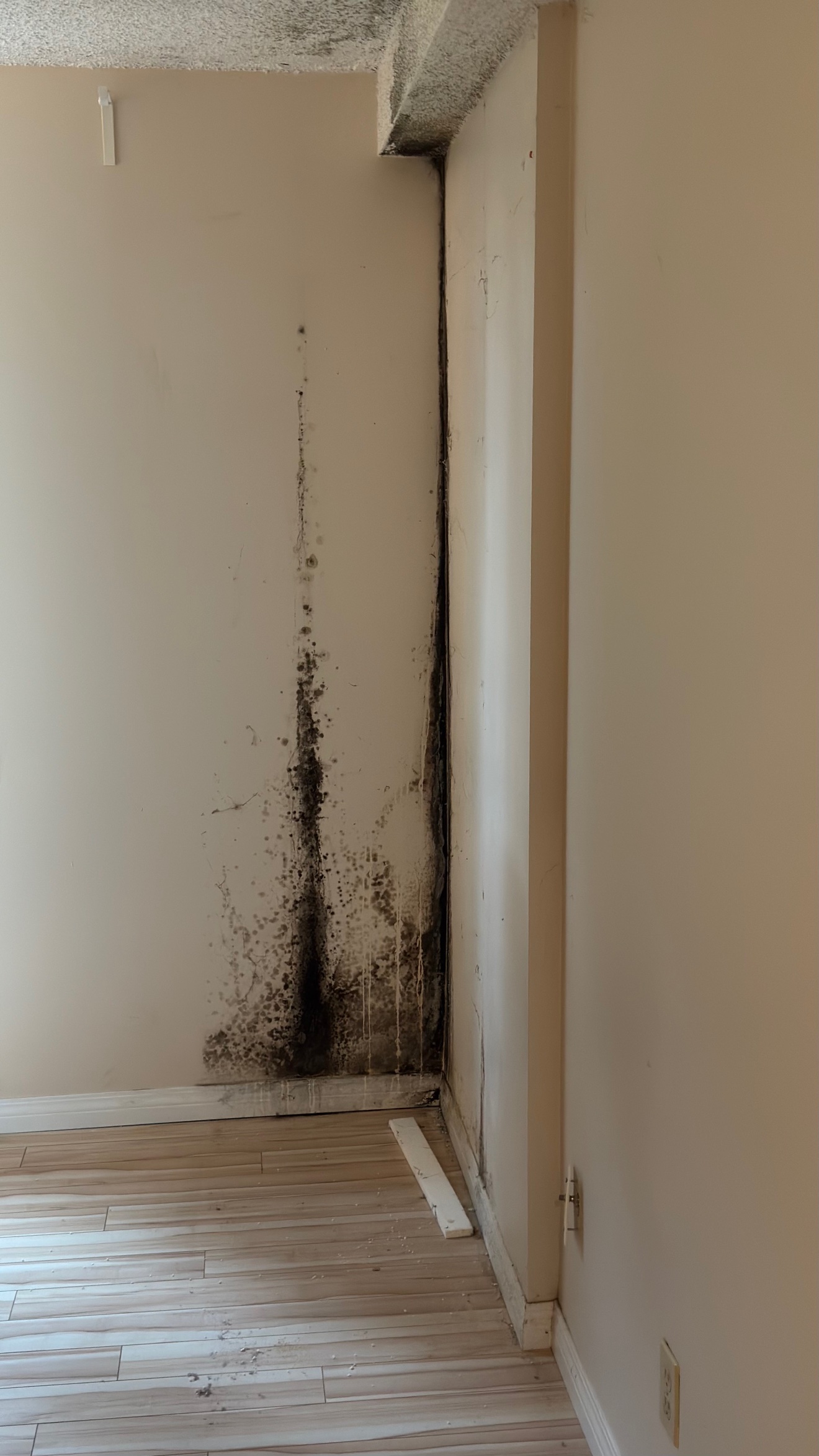
Black mold on a wall is not just an ugly stain. It is a sign that water has been getting in, and that the air in the room may not be healthy to breathe. In Vancouver, where rain is a fact of life for much of the year, mold shows up in more homes than people think.
This article explains what black mold is, what it can do to your health, and how it should be removed safely. It also explains where our work as painters fits in, and where it does not.
What black mold is
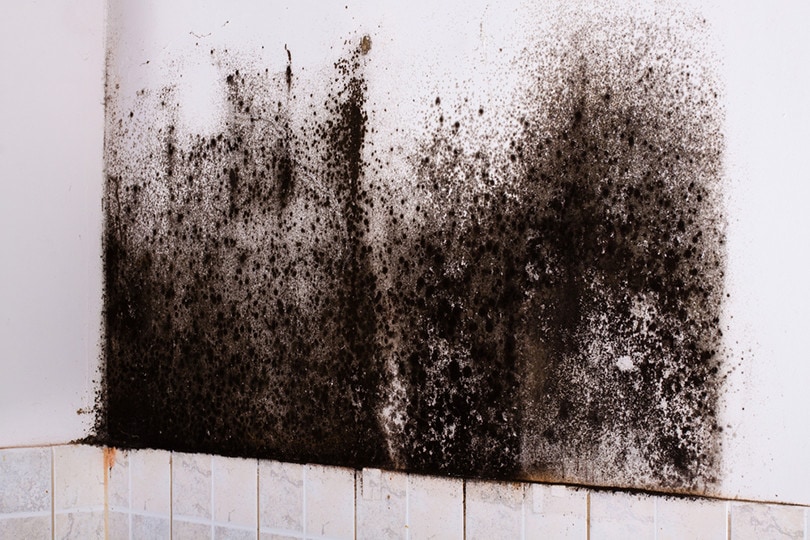
Black mold is usually Stachybotrys chartarum, a fungus that grows on damp building materials like drywall, wood and ceiling tiles. It looks like dark green or black patches, sometimes with a slimy surface when it is wet. It needs moisture to grow, and once it starts, it spreads as long as the material stays damp.
Mold can start growing within 48 hours of a leak or a flood. That is why a small leak behind a wall can turn into a large problem before anyone notices. The visible patch is often only part of it. Mold also grows inside wall cavities, behind baseboards and under flooring, where you cannot see it.
In Vancouver homes, the usual spots are bathrooms with weak ventilation, basements, window frames that collect condensation, and any wall that has had a plumbing or roof leak.
How it affects your health
Mold releases tiny spores into the air. When you breathe them in, they can irritate your eyes, nose, throat and lungs. The most common symptoms are coughing, wheezing, a stuffy nose, sore eyes and headaches. People with asthma or allergies usually feel it first, and children and older people tend to be more sensitive.
Black mold strains can also produce mycotoxins, substances that add to the health risk with long exposure. That does not mean every dark patch is an emergency, but it does mean mold is not something to live with or paint over and forget.
If anyone in the house has breathing problems that get worse at home and better away from home, mold is worth checking. A doctor can advise on the health side. A professional can advise on the house side.
What not to do
The worst thing you can do with mold is cover it up. A coat of paint over a moldy wall seals the mold in for a while, but the mold is still there, still growing behind the paint, and it will come back through. Painting over mold is never a fix.
Bleach is not a fix either. It can clean a stain off a hard surface, but it does not reach mold inside porous drywall, and scrubbing a large patch without protection releases a cloud of spores into the room.
Do not tear out moldy drywall on your own if the area is large. Ripping out contaminated material without containment and a proper respirator spreads spores through the rest of the house, and that can make the problem worse than it was.
How safe removal works
How mold is removed depends on how much of it there is. Health Canada and HealthLink BC use simple size rules that any homeowner can follow.
A small area, under one square metre in total, can usually be cleaned by the homeowner with the right precautions. That means household rubber gloves, goggles or safety glasses, and a KN95 mask or better. Smooth surfaces get washed with detergent and water, then dried completely. Porous materials like moldy drywall, ceiling tiles and carpet cannot be cleaned. They get bagged and thrown out.
A single patch larger than three square metres, roughly the size of a queen mattress, is a job for a qualified professional. At that size, safe removal needs containment to stop spores spreading, proper respirators, and controlled disposal of the contaminated material.
For larger remediation work in BC, WorkSafeBC treats mold as a workplace hazard. Remediation of more than ten contiguous square metres needs a notice of project filed at least 48 hours before the work starts. That is the scale where a trained abatement team takes over, not a painter and a roll of plastic sheeting.
One more check matters before any wall is opened. In homes built before 1990, drywall, textured ceilings, insulation and vinyl flooring can contain asbestos. WorkSafeBC advises testing for asbestos before renovation or demolition that could disturb these materials. We handle asbestos encapsulation on popcorn ceilings ourselves, so we know how seriously that step has to be taken.
Fix the water first
Mold always has a cause, and the cause is always water. Removing the mold without fixing the water source only buys time. It will grow back.
Common causes in Vancouver homes are roof and plumbing leaks, condensation from poor ventilation, and bathroom fans that vent into the attic instead of outside. A bathroom fan should run during a shower and for about 30 minutes after. Leaks get repaired, not watched. Wet carpets and building materials should be dried within 24 to 48 hours after water damage, or thrown out.
A good remediation job ends with a dry wall and a fixed source. Anything less is a repeat visit waiting to happen.
Where we come in
We are painters, not a mold abatement company, and we are straight about that. When mold is gone, the area is dry and the moisture source is fixed, that is where our work starts.
We cut out and replace damaged drywall, repair the surface, prime it, and repaint it with premium paint. Our drywall repair work is the same careful process we use on every job. For full detail, see our guide to drywall repair before painting.
If the job involves a popcorn ceiling that may contain asbestos, our encapsulation process covers it. You can read how that works in our article on popcorn ceiling removal.
Every job we do carries our 3 year workmanship warranty. We are WCB covered and carry $5M liability insurance. We use Sherwin-Williams SuperPaint in a velvet finish, which carries a lifetime manufacturer warranty.
If you found mold in your home
Do not panic, and do not paint over it. Look at the size of the area. If it is small, clean it safely or call us to look at it. If it is large, or you can smell mold but cannot find it, call a qualified remediation professional first, then call us to rebuild the finish once the wall is dry and clear.
If you would like us to look at a wall and tell you honestly what it needs, call Exceptional Painting at (236) 995-6777. We paint homes across Metro Vancouver. You can also read more about our interior painting services.