

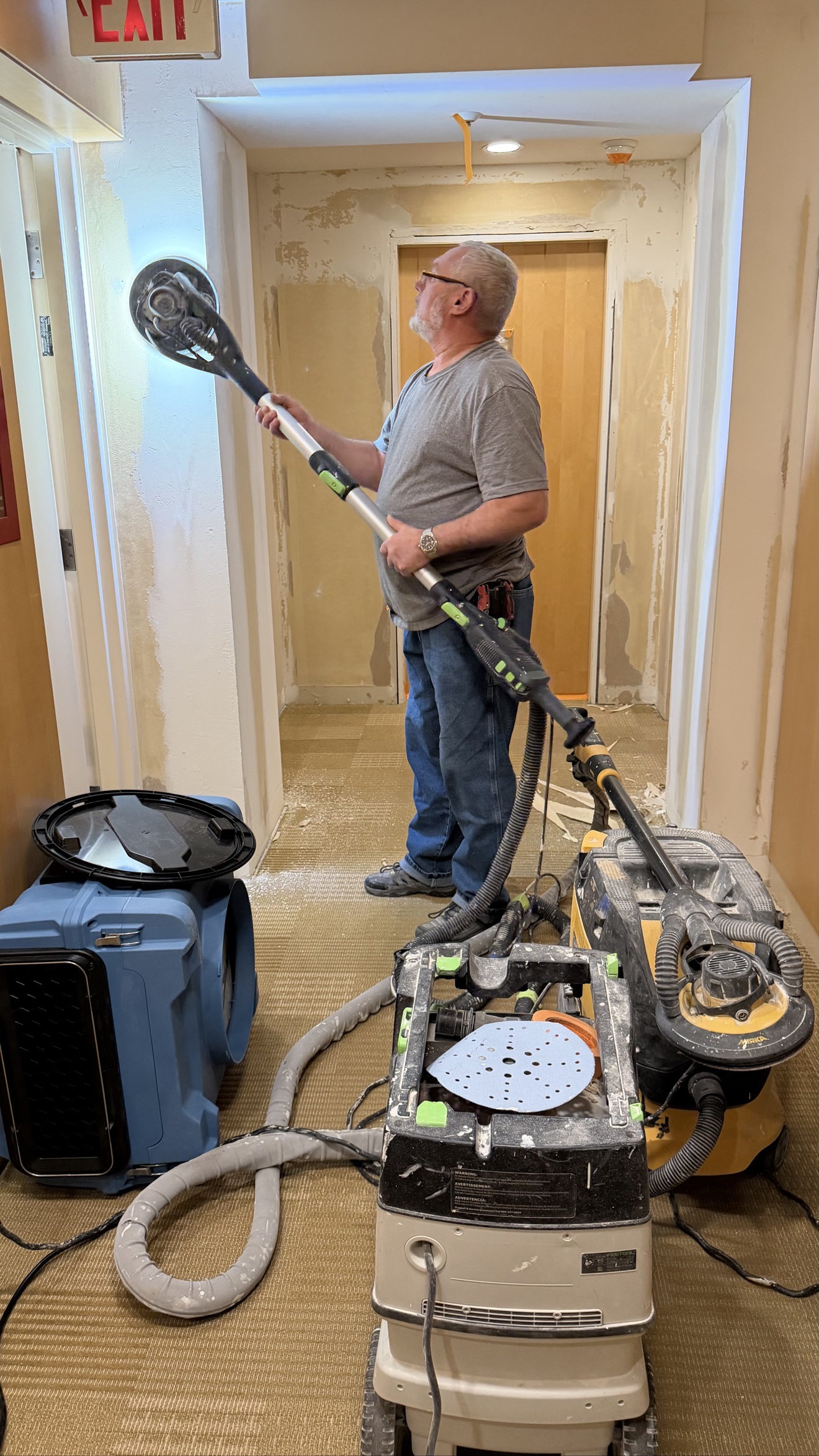
For years the rule was simple. First a coat of primer, then two coats of paint. If a painter suggested skipping the primer, it sounded like cutting corners.
That rule is quietly changing. Paint manufacturers keep releasing products that are built to go straight onto the wall. Paint and primer in one can products. Multipurpose paints that bond to different surfaces. Special kitchen and bathroom paints that resist moisture and mildew on their own. The list grows every year.
You will not hear much about this at the paint counter. Primer is a whole product category, and stores still need to sell it, so the traditional system gets recommended out of habit. But on real jobs, there are more and more situations where a separate primer coat honestly adds nothing.
Here is how we decide on our own projects.
What primer actually does
Primer is not just white paint. A good primer does four jobs:
- It seals porous surfaces, so the finish coat soaks in evenly instead of flashing.
- It helps paint stick to difficult surfaces like glossy trim or bare wood.
- It blocks stains, water marks, smoke and wood tannins from bleeding through.
- It gives fresh drywall and repairs a uniform base, so patches do not show through the finish.
If none of those four problems exist on your wall, primer has very little left to do. That is the whole logic.
When modern paint can honestly skip primer
Previously painted walls in good condition. Latex paint over latex paint, with a similar colour, is exactly what paint and primer in one products were made for. A quality product like Sherwin Williams SuperPaint grips the old coat and covers in two coats. This is most interior repaints in homes and condos.
Kitchens and bathrooms with the right product. Dedicated kitchen and bath paints are built with mildew resistance and a harder, washable film. On walls that are already painted and sound, they go on without a separate primer and hold up to steam and splashes.
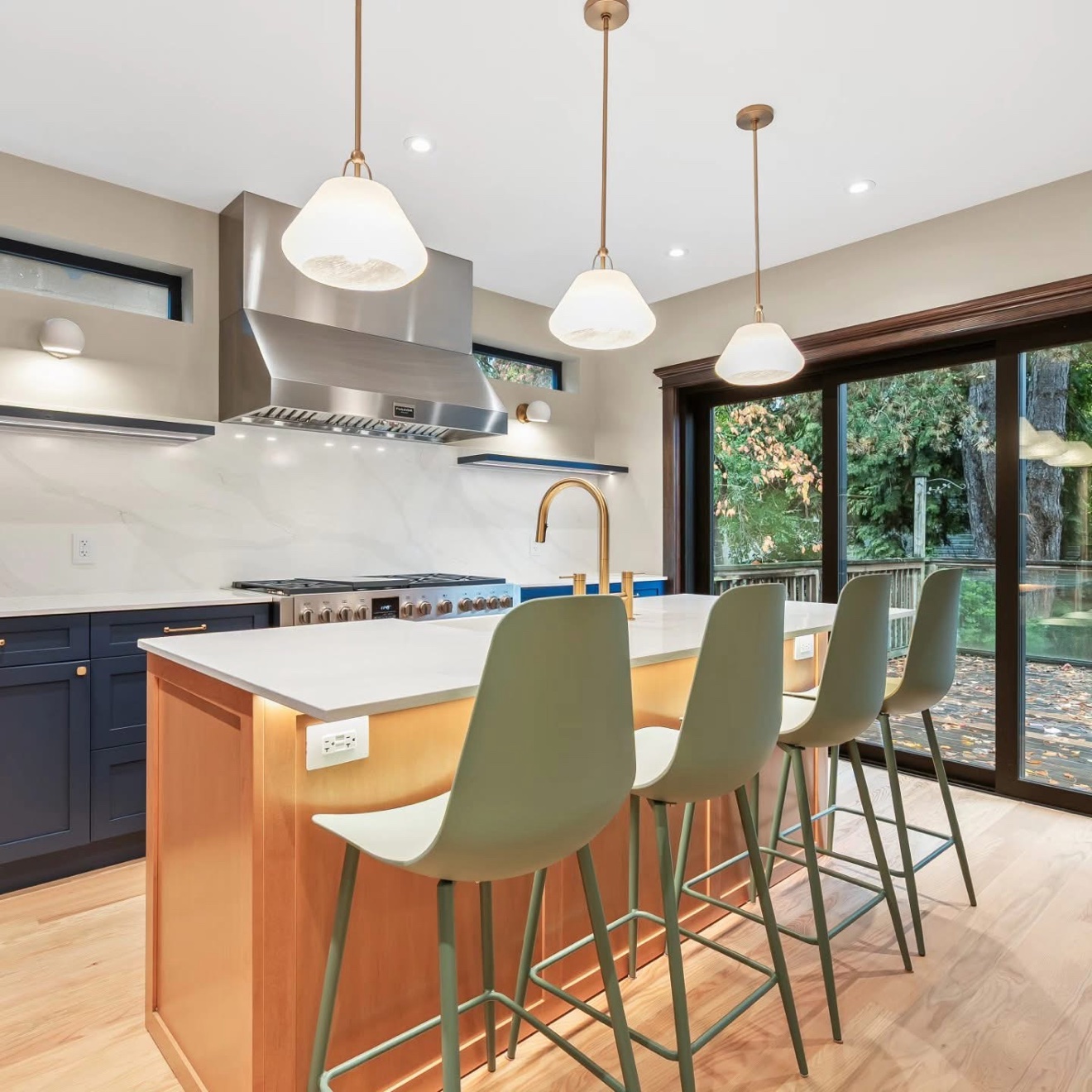
Multipurpose paints on mixed surfaces. Every year there are more products designed to bond to wood, metal, previously painted surfaces and more, without a dedicated primer for each one. For small projects with several different surfaces, they save real time.
The common thread: the surface is already sealed, sound and painted. The new paint only needs to stick to a friendly surface and cover, and modern products do both well.
When primer is still not optional
This is where skipping primer turns into a callback.
Bare drywall and fresh repairs. New drywall and skim coating drink paint unevenly. Without a sealer coat, repaired areas flash through the finish and the sheen looks patchy no matter how many coats you add. Fresh compound always gets sealed first. See how much prep goes into our drywall repair work before any finish coat appears.
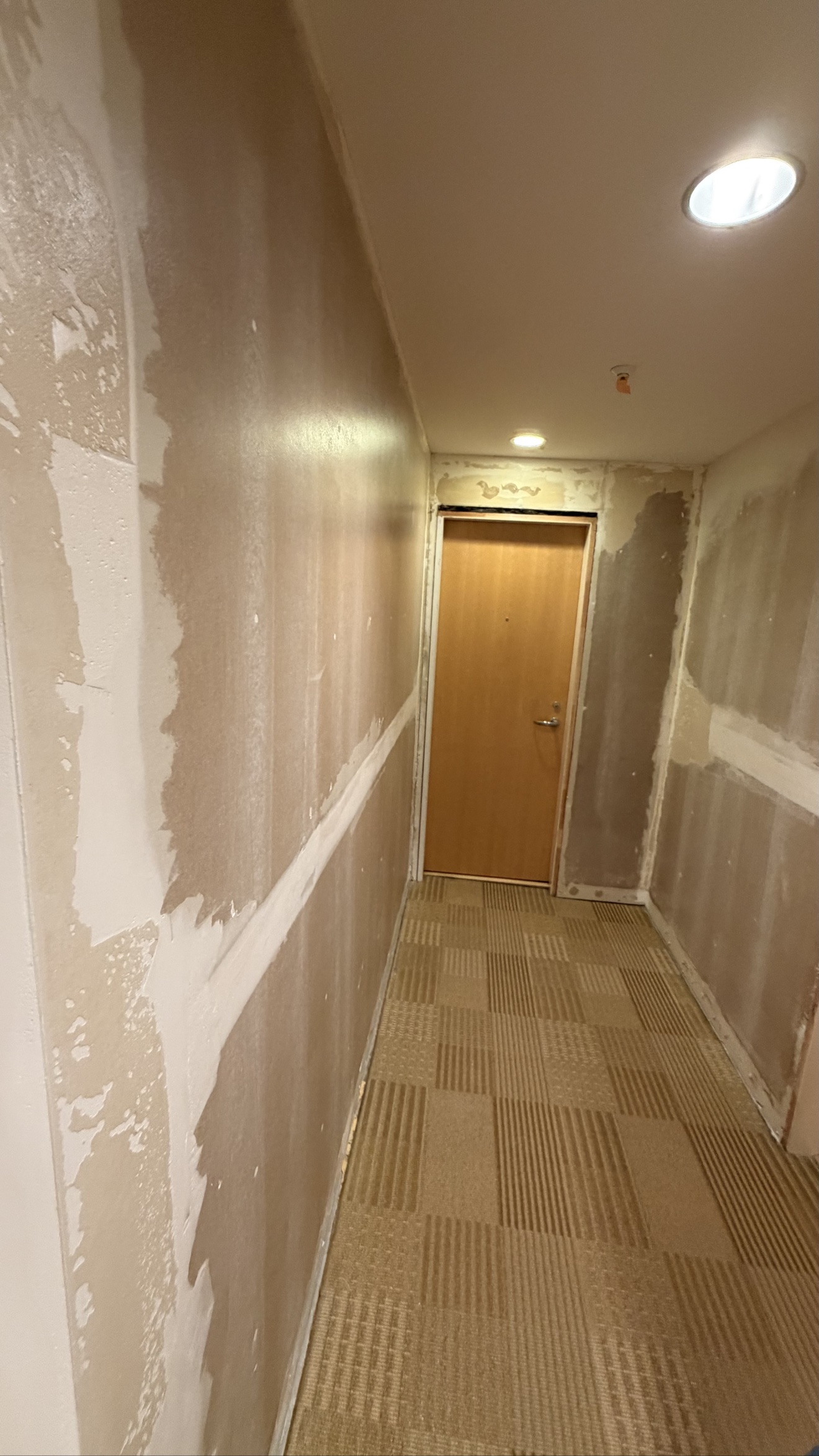
Stains and water damage. Water marks, smoke and tannin bleed pass straight through regular paint, including paint and primer in one. They need a stain blocking primer, sometimes a shellac based one. Painting over them without it just means painting twice.
Bare wood, MDF and glossy surfaces. Raw wood sucks in finish coats and tannins bleed. MDF edges swell. Glossy old paint gives new paint nothing to hold on to. These surfaces need the right bonding or sealing primer. There is no shortcut product for them yet.
Big colour changes. Going from a deep colour to a light one, or the other way around, a tinted primer saves a coat of expensive finish paint and gets the colour true faster.
The honest way to decide
Ask one question: what problem would the primer solve on this exact surface?
If the answer is none, because the wall is painted, sound and just needs a colour change, a modern self priming paint is a legitimate choice, not a shortcut. If the answer is sealing, sticking or stain blocking, no can label replaces a real primer.
That is how we run our interior painting projects across Metro Vancouver. We prime where it matters and skip it where it does not, and we are happy to tell you which is which before the work starts.
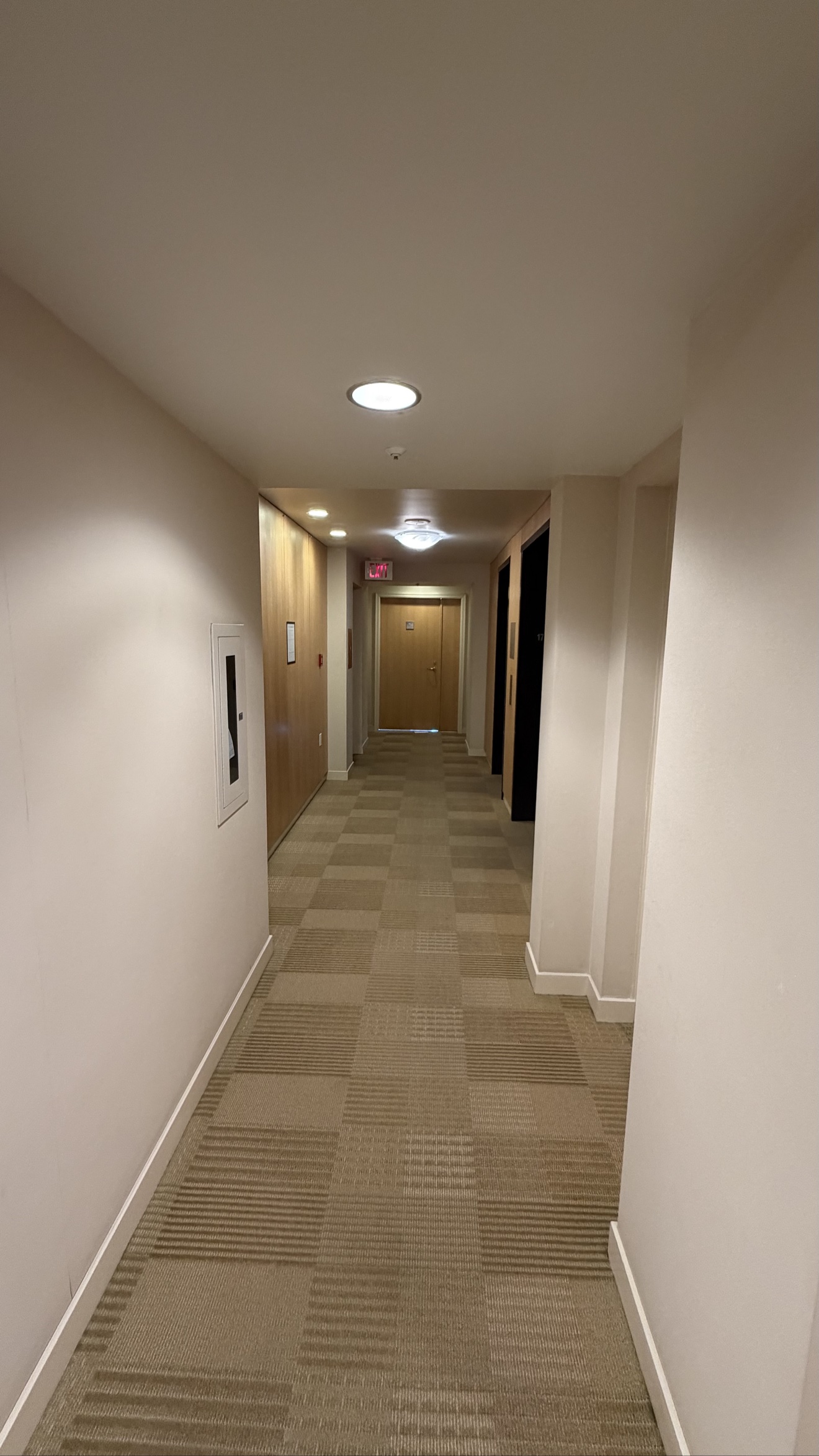
Planning a repaint and not sure what your walls need? Call Exceptional Painting at (236) 995-6777 for a free estimate. We will tell you honestly whether primer belongs in your project or not.
FAQ
Is paint and primer in one as good as a separate primer? On previously painted, sound surfaces, yes, a quality paint and primer in one performs just as well. On bare drywall, stains, raw wood or glossy surfaces, a dedicated primer still does a job those products cannot.
Why do paint stores still recommend primer for everything? Partly habit and partly because primer is a product line of its own. The traditional system is safe advice, but on a simple repaint it can mean an extra coat you never needed.
Can I skip primer in a kitchen? If the walls are already painted and in good shape, a dedicated kitchen paint can go on without primer. Over bare drywall, grease damaged areas or stains, prime first.
Does skipping primer void the paint warranty? Manufacturers set their own system requirements. Premium paints carry strong warranties when applied as directed, so we always follow the product data sheet for the surface in front of us.